What Are Speed Limits?
Speed limits are the MAXIMUM speeds allowed by law. They are not necessarily safe speeds at all times. Speed limits in Zimbabwe are expressed in kilometres per hour (km/h). Signs do not need to remind you of this unit.
For safety reasons, you must always adjust your speed to suit the weather, light, road, traffic conditions and your ability to control the vehicle — even below the stated limit.
R201 — Speed Limit Sign
R201 — Speed Limit 100 km/h
| Element | Specification |
|---|---|
| Border | Red retro-reflective |
| Figures | Black semi-matt |
| Background | White retro-reflective |
| Shape | Circle (Prohibition / Command) |
This sign indicates the driver must not exceed the speed shown in km/h beyond the point where the sign is erected. The speed limit on the section of road beyond this sign is 100 km/h.
National Speed Limits — Zimbabwe
| Zone / Road Type | Speed Limit | Notes |
|---|---|---|
| Built-up / Urban areas | 60 km/h | Unless a lower limit is posted |
| Open / Rural roads | 100 km/h | Unless a different limit is posted |
| Freeways / Expressways | 120 km/h | Subject to posted signs |
| School zones (during school hours) | 40 km/h | Strictly enforced |
| Heavy/goods vehicles | As per posted sign | May have lower limits than listed above |
(R)600 — De-restriction Signs
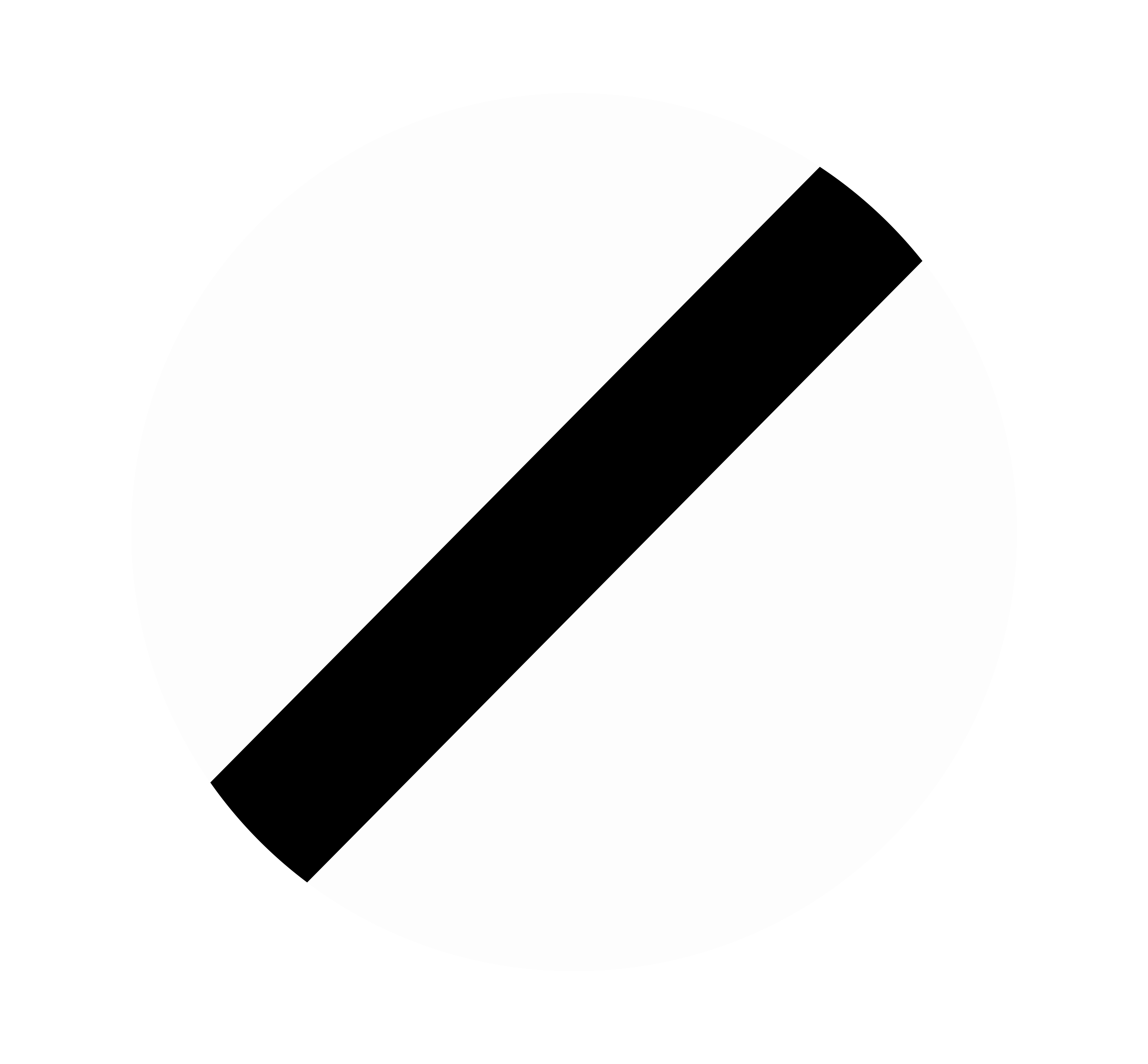
De-restriction Sign
(a) A de-restriction sign indicates to the driver that he or she no longer has to comply with the regulatory message displayed under the red cancellation cross on the sign.
(b) For example, if you pass a speed limit sign showing 60 km/h, and then pass a de-restriction sign, you are freed from that 60 km/h restriction — and revert to the default limit for that road type.
Stopping Distances — The Critical Numbers
Upon registering danger, the average driver takes approximately half a second to start applying the brakes (reaction time). The greater the speed, the further the vehicle travels before stopping.
With efficient brakes, the following distances apply (Highway Code Section 2.10):
| Speed (km/h) | Reaction Distance | Braking Distance | Overall Stopping |
|---|---|---|---|
| 40 km/h | 5.6 m | 12.4 m | 18 m |
| 60 km/h | 8.3 m | 27.7 m | 36 m |
| 120 km/h | 16.7 m | 113.3 m | 130 m |
Following Distance Rule
| Speed | Minimum Gap (vehicle lengths) |
|---|---|
| 45 km/h | 3 vehicle lengths |
| 60 km/h | 4 vehicle lengths |
| 75 km/h | 5 vehicle lengths |
| 90 km/h | 6 vehicle lengths |
Use the 2-second rule: pick a fixed point ahead; after the vehicle in front passes it, count "one-thousand-and-one, one-thousand-and-two" — your vehicle should not reach that point before you finish counting.
Obligations — When to Reduce Speed
Even below the posted speed limit, you must reduce speed in the following conditions (Highway Code Section 2.10):
At night and dusk — your field of vision is severely reduced.
Rain, mist, smoke, windy weather or dust — reduce visibility and road grip.
If dazzled by bright sunlight — cast eyes slightly left, slow down.
Approaching an intersection — approach every junction with caution.
At a level crossing or bridge — always reduce and be prepared to stop.
Narrow or winding roads — even if you know the road well.
Meeting a vehicle on a strip road — your left wheels must go onto the gravel shoulder.
Near school entrances and exits — children may run out unexpectedly.
Approaching a pedestrian crossing — stop and give way to pedestrians.
Meeting animals — slow and give them room; animals are unpredictable.
📘 Study Resources
Download the official Highway Code and the Zimbabwe Driving Learners app for complete study material.