1. Foot Pedals (The ABCs)
In a manual car, you have three pedals. Remember them from left-to-right: Clutch, Brake, Accelerator (like ABC backwards).
2. The Parking Brake (Handbrake)
The parking brake is a mechanical control used to secure the vehicle when it's parked.
- Function: Holds the car stationary, especially on inclines. It is an emergency backup if the main foot brake fails.
- Engagement: Pull the lever up firmly (or press the electric button) when parked.
- Disengagement: Release the lever before moving off. For hill starts, you coordinate its release with the clutch and accelerator.
3. Gears and Shifting
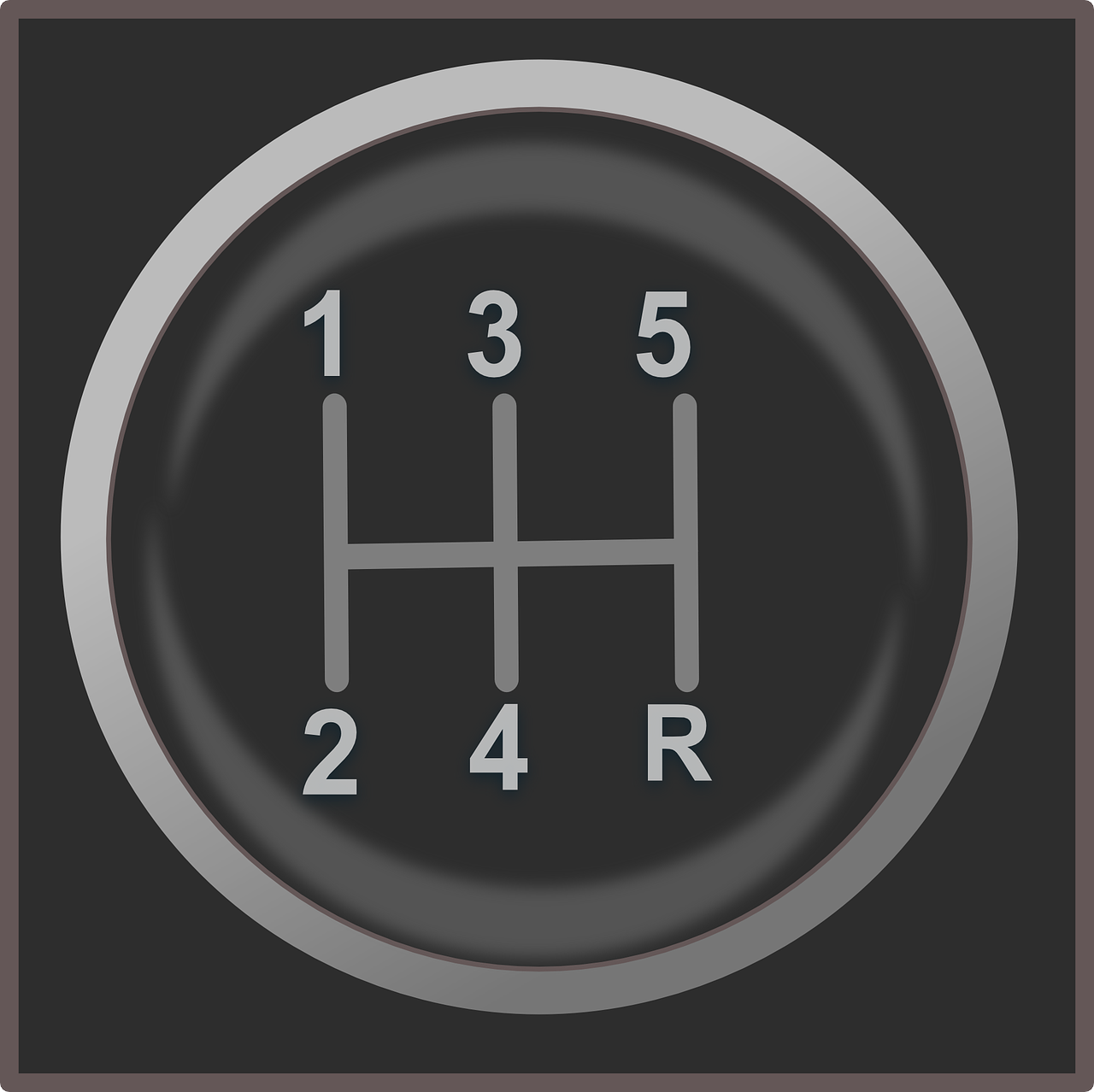
Understanding Gear Types
Low Gears (1st, 2nd)
High power, low speed. Used for starting and slow movement.
Middle Gears (3rd, 4th)
Balance of power and speed. Used for general city and moderate driving.
High Gears (5th, 6th)
High speed, low power. Best for cruising on main roads and fuel efficiency.
When to Engage Specific Gears
Lower Gears (1st & 2nd)
- Moving Off: Always start in 1st gear.
- Steep Hills (Ascending): Use 1st or 2nd for maximum power to climb.
- Very Slow Driving: Use 1st or 2nd in heavy traffic or parking lots.
Higher Gears (5th & 6th)
- Cruising/High Speed: Use 5th or 6th on highways or main roads to save fuel and reduce engine strain.
- Note: Never start in these gears, as it will stall the engine due to lack of power.
4. Signals for Shifting
When to Shift UP (e.g., 3rd to 4th)
Shift up as speed increases to maintain efficiency and prevent engine damage.
- Engine Sound: The engine sounds loud, high-pitched, or 'screaming.'
- RPM: You've reached the recommended upper RPM limit (e.g., 2,500–3,000 RPM).
When to Shift DOWN (e.g., 4th to 3rd)
Shift down when slowing or needing power to avoid 'lugging' the engine.
- Engine Sound: The engine sounds low, rumbling, or feels like it's struggling.
- Power: You are slowing down for a corner, or need more power to ascend a hill.
Get the Zimbabwe Driving Learners App
Access all learner materials, traffic signs, road rules, and tests — right from your phone!
